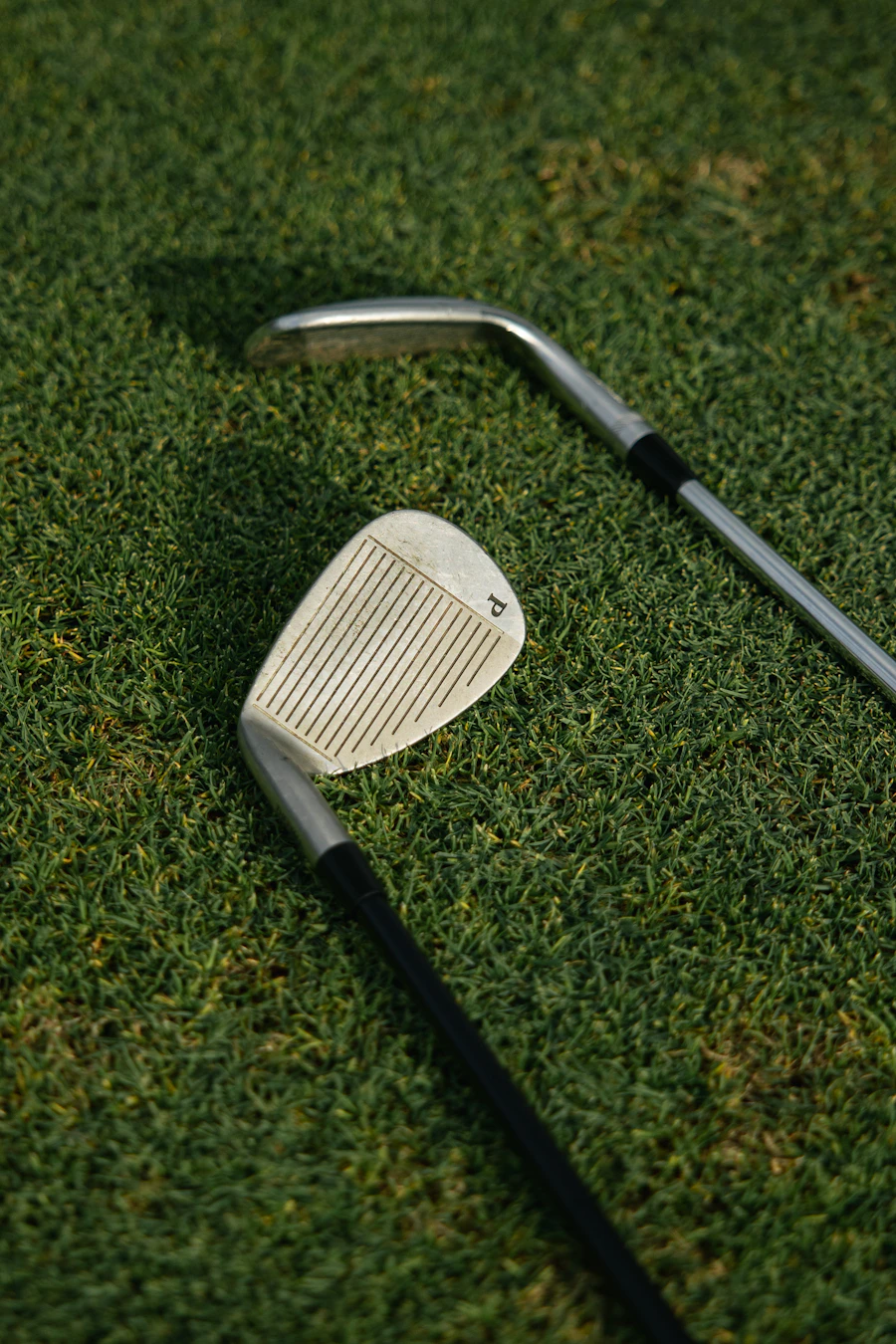
When choosing irons, golfers often compare graphite and steel shafts. This is a useful starting point, but neither material is automatically better for everyone. Each comes in many configurations with different weights, flex profiles, kick points and designs. The right choice should reflect how you swing and what happens during testing, not simply your age or handicap.
Differences in weight and feel
Graphite is available in a wide range of lighter weights and allows manufacturers to tune flex characteristics and feel. Some golfers find that graphite makes it easier to generate clubhead speed or reduces fatigue over a full round. Steel offers a different range of weights and feedback, and many players prefer its solid feel. However, graphite is not always soft and steel is not always heavy; check the specifications of each model.
Do not choose by swing speed alone
Swing speed is important, but it is not the only factor. Transition, impact quality, desired ball flight and physical comfort also influence shaft choice. A shaft that is too light may make the clubhead difficult for some players to sense, while one that is too heavy may affect tempo late in a round. Flex should be assessed together with weight and the shaft’s overall profile.
Test configurations side by side
Compare shafts under similar conditions, using the same clubhead and enough shots to identify a pattern. Track ball speed, dispersion, trajectory and how each option feels. If possible, ask a qualified fitter to explain the data and provide a baseline for comparison. The goal is not to choose the most popular material, but to find a shaft that supports consistent, comfortable shots.