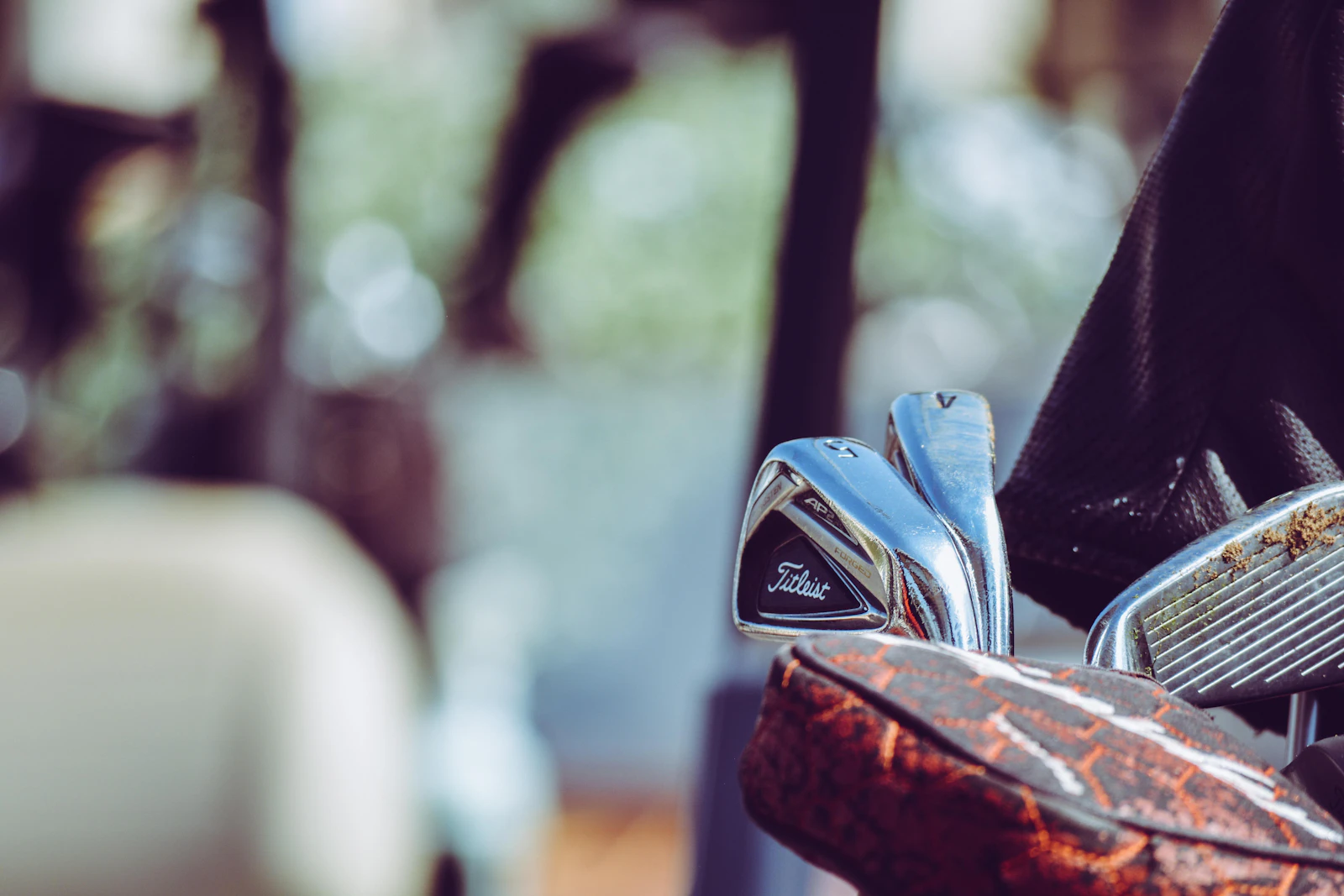
Golf club fitting is the process of finding equipment specifications that suit an individual player. Two golfers with similar handicaps may benefit from different clubheads, shafts or lengths because their swings, physical characteristics and goals are not identical. Fitting helps replace guesswork with a structured comparison.
Start with a player interview
A fitter should ask about your experience, typical playing conditions, current equipment and the parts of your game you want to improve. Bring your existing clubs if possible so they can provide a baseline. Be honest about your practice frequency and budget; the best recommendation should fit your real playing life.
Test specifications and review data
Depending on the fitting, the process may examine club length, lie angle, loft, shaft weight and flex, grip size and head design. A launch monitor may provide club speed, ball speed, launch, spin, carry and dispersion. Compare several shots rather than relying on one result, and change variables in a controlled way.
Choose for consistency and comfort
The longest shot is not necessarily the best indicator of fit. Consider direction, distance gaps, strike quality and how comfortable the club feels through a full session. Ask the fitter to explain trade-offs and record the recommended specifications. A proper fitting should help you understand why a setup suits your game.