Choosing golf clubs can be confusing because there are many head designs, shaft options and complete-set combinations. The most expensive or advanced model is not automatically the best choice. Equipment should support your current swing and give you room to develop without making the game harder than it needs to be.
Beginners: prioritize forgiveness and simplicity
New players often benefit from clubs designed to make off-centre strikes more manageable and help launch the ball. A balanced starter set can cover the main distances without requiring every club in the bag. Comfortable grip size, suitable length and manageable weight are important from the beginning.
Developing players: look for consistency
As contact improves, golfers may want to compare distance gaps, trajectory and shot dispersion. Some players prefer more feedback from a compact head, while others still benefit from a forgiving design. Test options rather than assuming that a lower handicap requires a particular style of club.
Experienced players: fit the details
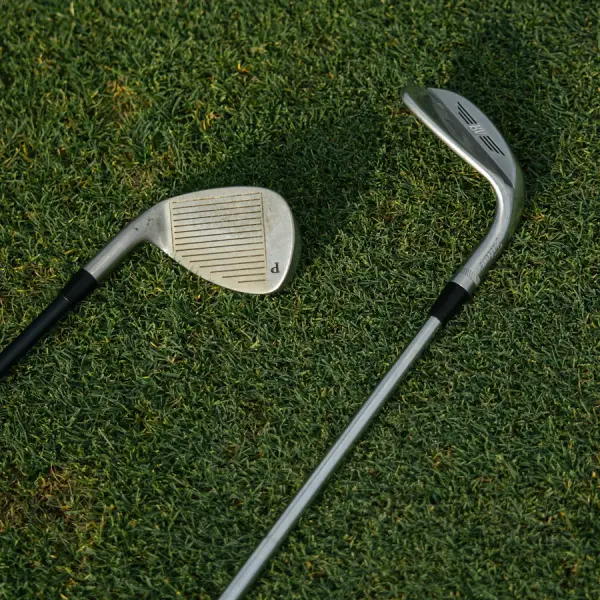
More experienced golfers may benefit from careful fitting of shaft profile, lie angle, loft, length and wedge or gapping choices. Review average performance across several shots, not just the best result. A qualified fitter can help explain the trade-offs and ensure the set works as a whole.
Choose for your real game
Consider how often you play, your budget, physical comfort and the courses you usually visit. Try clubs before buying whenever possible and avoid changing the entire bag at once without a clear reason. The right set is the one that helps you play more comfortably and consistently.