Golf-ball packaging often highlights compression, distance or spin, which can make choosing a model seem complicated. Swing speed is one useful consideration, but it is not the only factor. The ball’s construction, cover material, feel around the greens and the player’s priorities all influence the experience.
Understand construction and feel
Golf balls range from simpler two-piece designs to multi-layer models. Different constructions can create different combinations of distance, feel and spin. Compression is often discussed alongside swing speed, but the relationship is not a strict rule: golfers should compare actual performance rather than assume a particular compression number is automatically right.
Consider the whole game
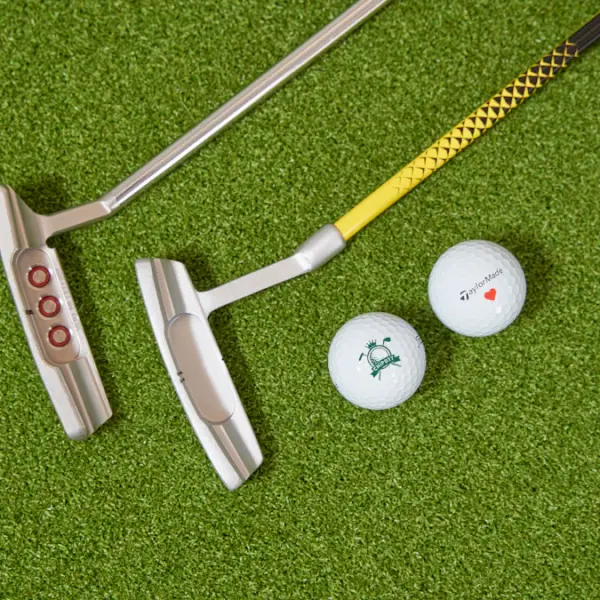
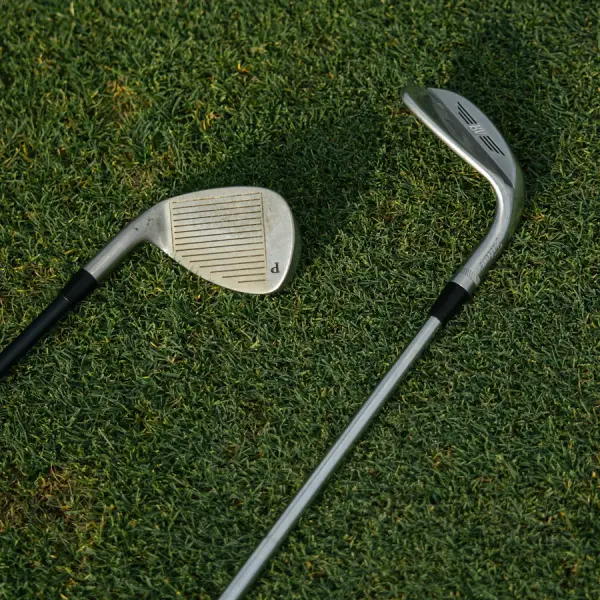
Distance off the tee matters, but so do iron approach shots, wedge control and putting feel. A ball that produces a useful flight with the driver may feel too firm or behave differently around the green. Think about your typical miss, desired trajectory and the shots that matter most to your scoring.
Test consistently before switching
Try a small selection of models under similar conditions. Compare driver dispersion, iron distance gaps, wedge spin where measurable and putting feel. Use the same model for several rounds before deciding, since changing balls frequently makes comparisons difficult. The best choice is a ball that gives you dependable performance and confidence across the bag.